The Mirror of Others: Are You Truly Yourself?
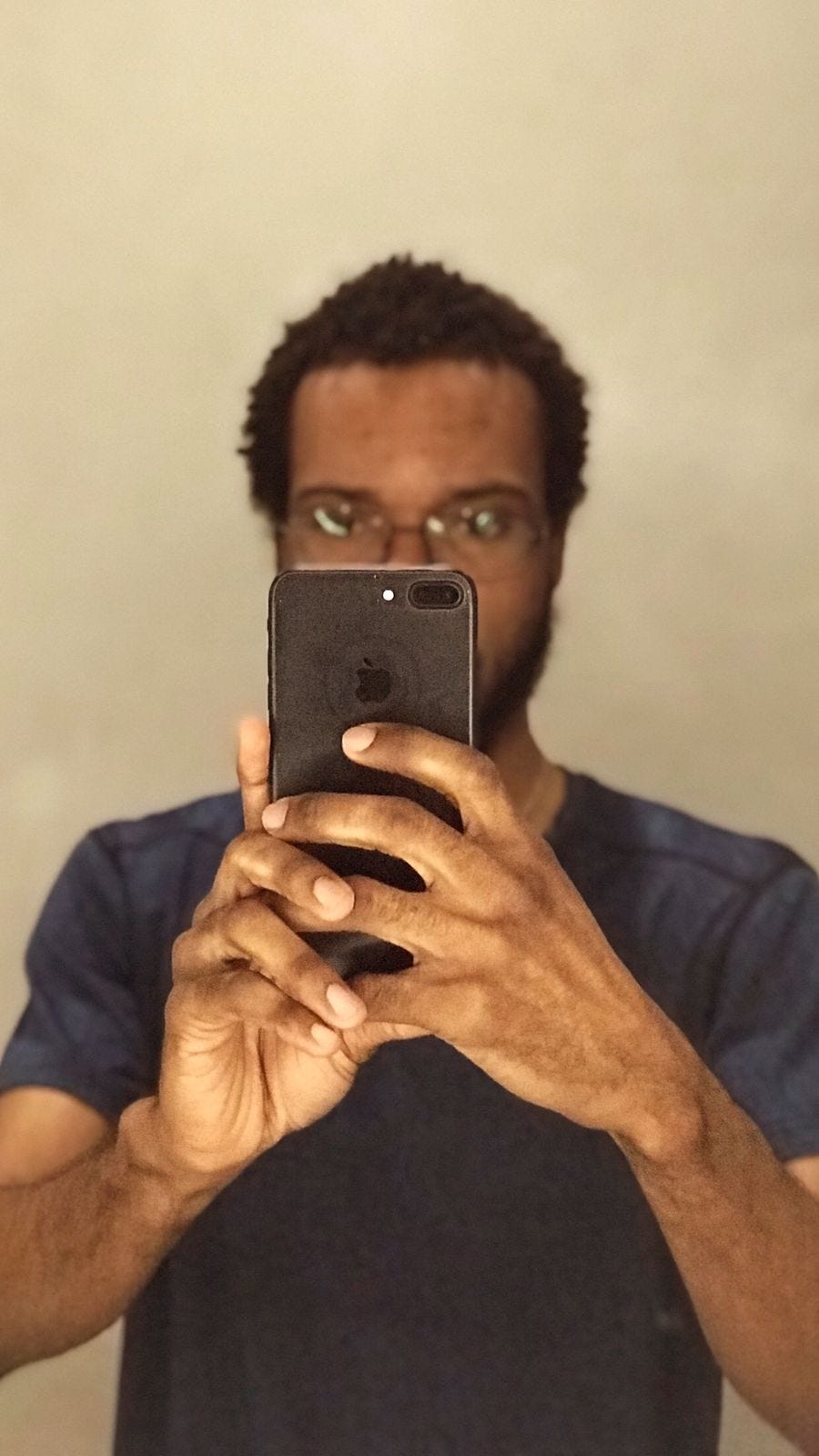
Are you truly yourself, or just a reflection of how others perceive you? How the looking-glass self shapes who we think we are, and how we can slowly begin sculpting our own authentic reflection.
“Are you truly yourself, or just a reflection of how others perceive you?”
That question hit me one quiet evening while I stood at the sink, washing and rinsing my plate. The student hostel was silent, but my mind was loud. A loop of memories played — moments when someone told me who I was, what I was like, how I should behave.
I paused and wondered: How much of me is me? And how much is what others have told me I am?
The Version of You That Others Create
From early childhood, we’re praised, scolded, labeled, and molded. A parent says, “She’s the responsible one.” A teacher writes, “He talks too much in class.” A friend jokes, “You’re such an overthinker.”
Little by little, we begin to wear these identities like clothes we didn’t choose but grew into. And over time, it becomes hard to tell whether the fabric was ever really ours in the first place.
There’s a sociological term for this: the looking-glass self. It suggests that we form our self-concept not through solitary reflection, but through the eyes of others. We see ourselves in the way we believe others see us.
You might think you’re confident — not because you feel confident — but because people often tell you, “You seem so sure of yourself.” Or maybe you carry shame, not because of your actions, but because someone once made you feel small and you never quite recovered.
The Inner Voice: Yours, or an Echo?
Of course, there’s an internal world too — an inner voice we often associate with authenticity. That voice whispers your private dreams, your moral compass, the things you believe you would choose if no one was watching.
But here’s the catch: even that inner voice has been shaped. What you desire, what you fear, what you define as success or failure — none of it grows in a vacuum. Culture, family, media, trauma, love — all play silent instruments in the background of your mind.
That’s not to say you have no self. But perhaps what we call “the self” is not a fixed essence waiting to be discovered. Maybe it’s more like a mosaic — some pieces handed to you, others chosen, and some forced into place until you decide to remove them.
Belonging vs Becoming
At the heart of this dilemma lies a tension we all face: the pull between belonging and becoming.
We long to belong. To be seen. To be known. To be accepted.
But we also ache to become. To forge our own path. To rise beyond the box we were placed in.
Sometimes, these two needs dance together beautifully. Other times, they clash — violently.
A child told to “calm down” may grow up suppressing their passion. A boy discouraged from crying may lose access to parts of his own emotional truth. A girl praised only when silent may mistake invisibility for virtue.
And later in life, when they try to reclaim their voices, they feel guilt or shame — for merely being themselves.
So, Who Are You, Really?
You are not just what others think you are. But you’re also not untouched by what others think.
You are the product of thousands of reflections — some clear, some distorted. And yet, within you is the remarkable ability to choose. To examine those reflections. To decide which ones you’ll accept, which you’ll reject, and which you’ll transform.
You are allowed to grow out of the version of you that others have built.
You are allowed to say, “That may have been true once, but it’s not who I am anymore.”
You are allowed to redefine yourself — not just once, but over and over again.
Becoming Real
There’s a moment in The Velveteen Rabbit that speaks deeply to this:
“Real isn’t how you are made,” said the Skin Horse. “It’s a thing that happens to you… It takes a long time.”
We become real not by resisting every external influence, but by slowly choosing which ones align with our truth.
The self is not discovered like treasure; it is sculpted like art.
And as you carve away what no longer fits — what never truly belonged — you begin to see yourself not just as others saw you, but as you are when no one is watching.
Awaken
So, are you truly yourself?
Maybe not yet. Maybe never entirely.
But maybe that’s the point: not to arrive, but to awaken.
To stop living in the mirrors others hold up — and begin building your own reflection, one intentional choice at a time.

Written by
Nelson Izah
I write about geology, software engineering, and the spaces where they intersect. When I'm not writing or building, you can find me exploring the outdoors or reading a good book.
Are you truly yourself, or just a reflection of how others perceive you? How the looking-glass self shapes who we think we are, and how we can slowly begin sculpting our own authentic reflection.
Enjoyed this piece?
Leave a reaction to let the author know what resonated with you.
Share Your Thoughts
What resonated with you? I'd love to hear your perspective.